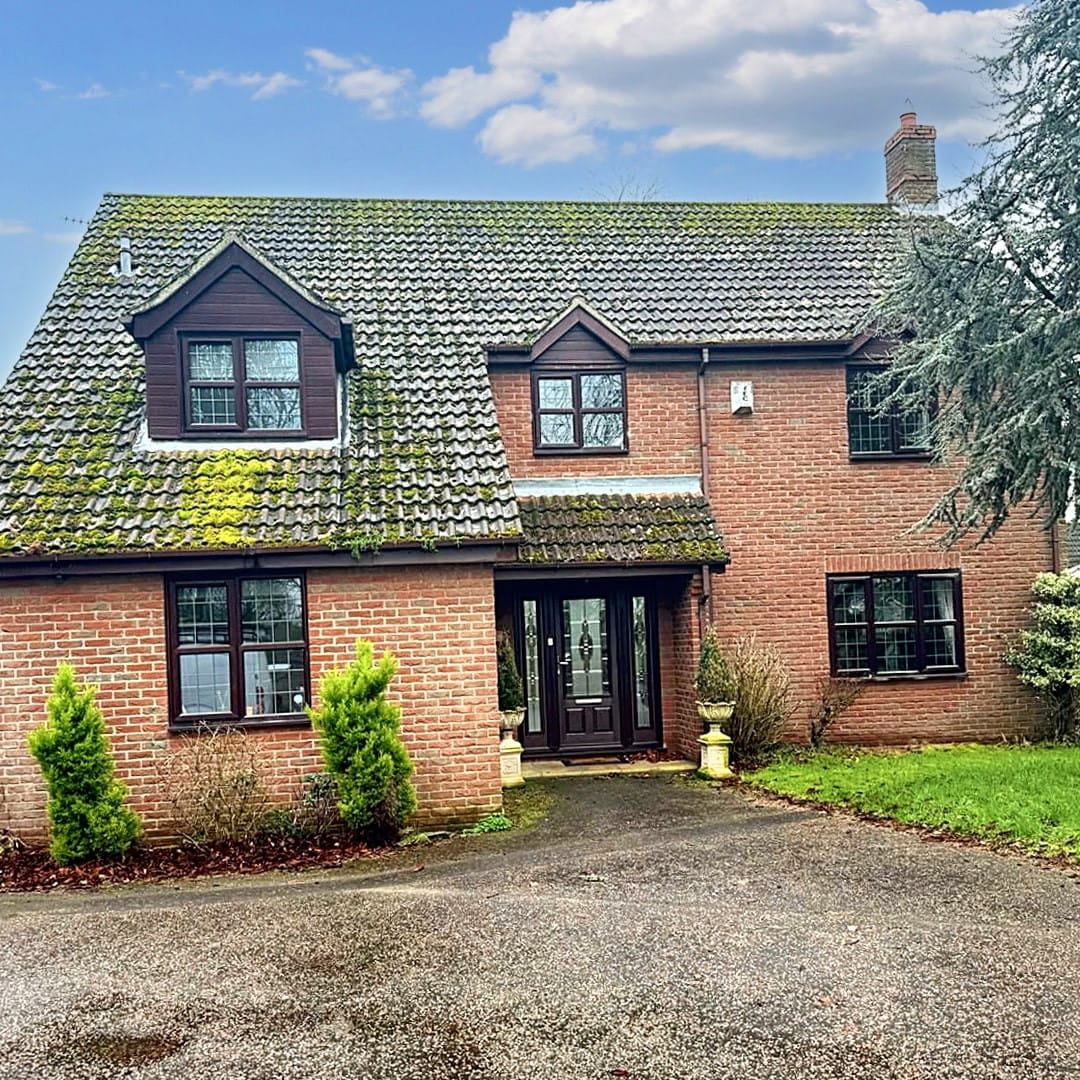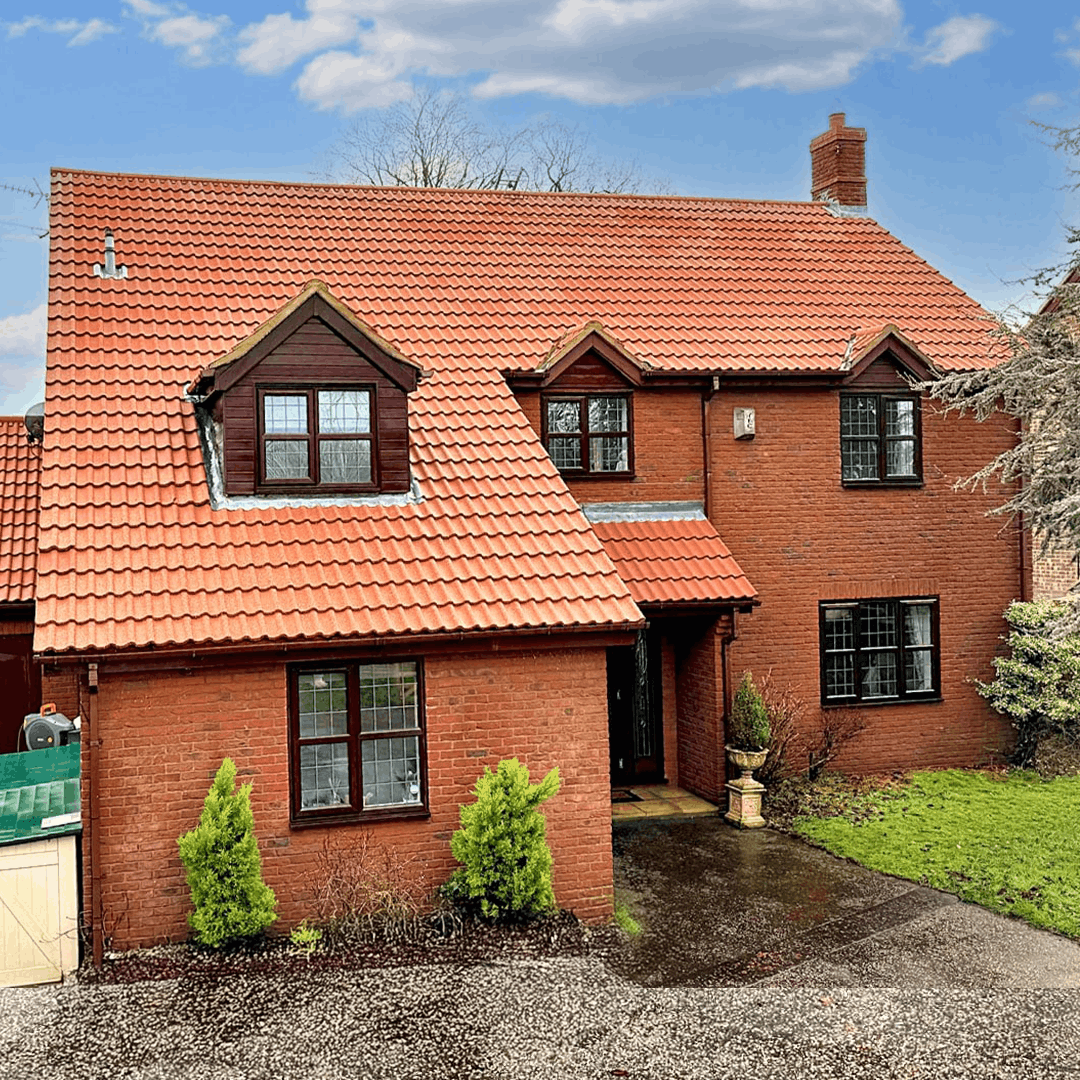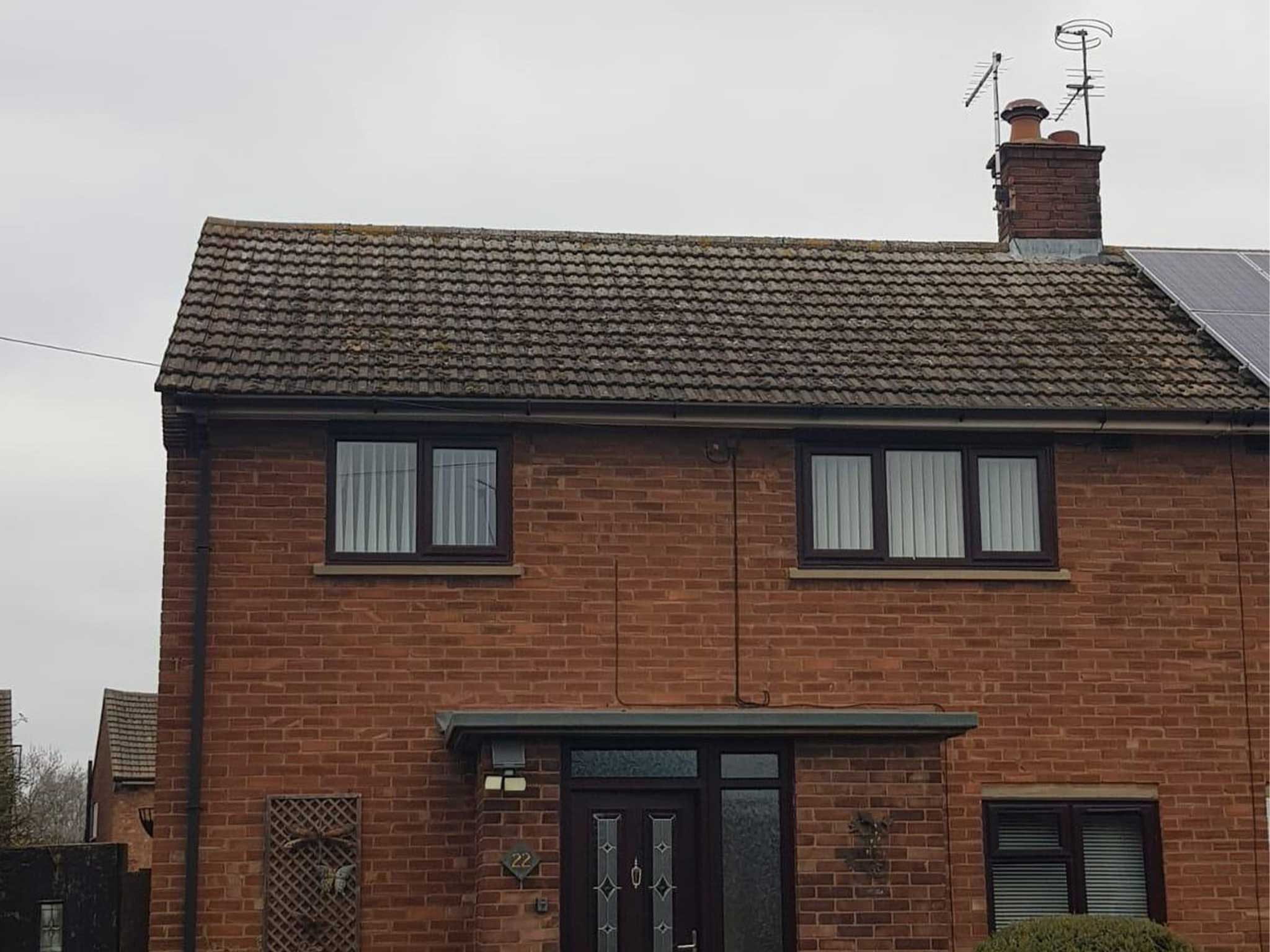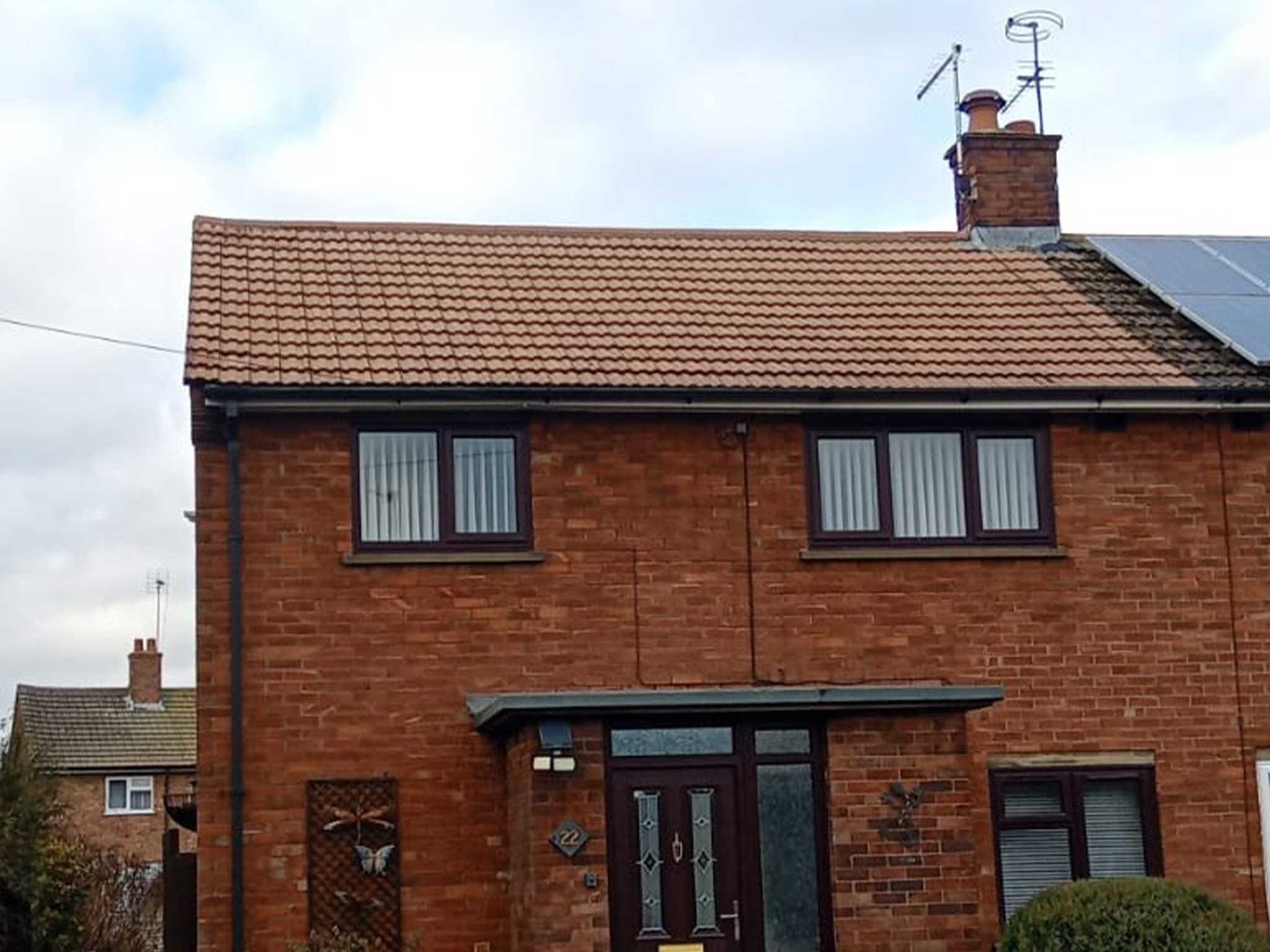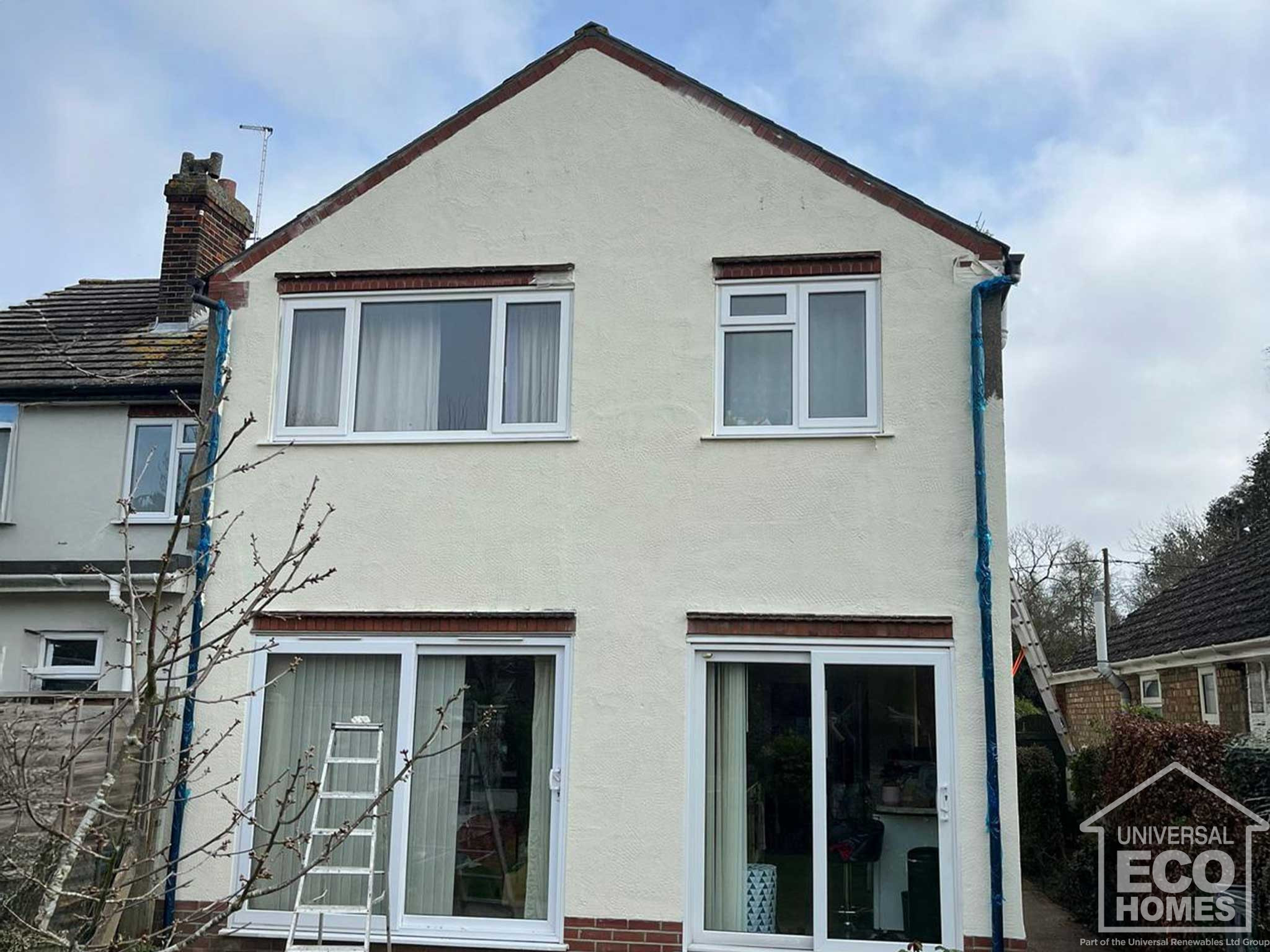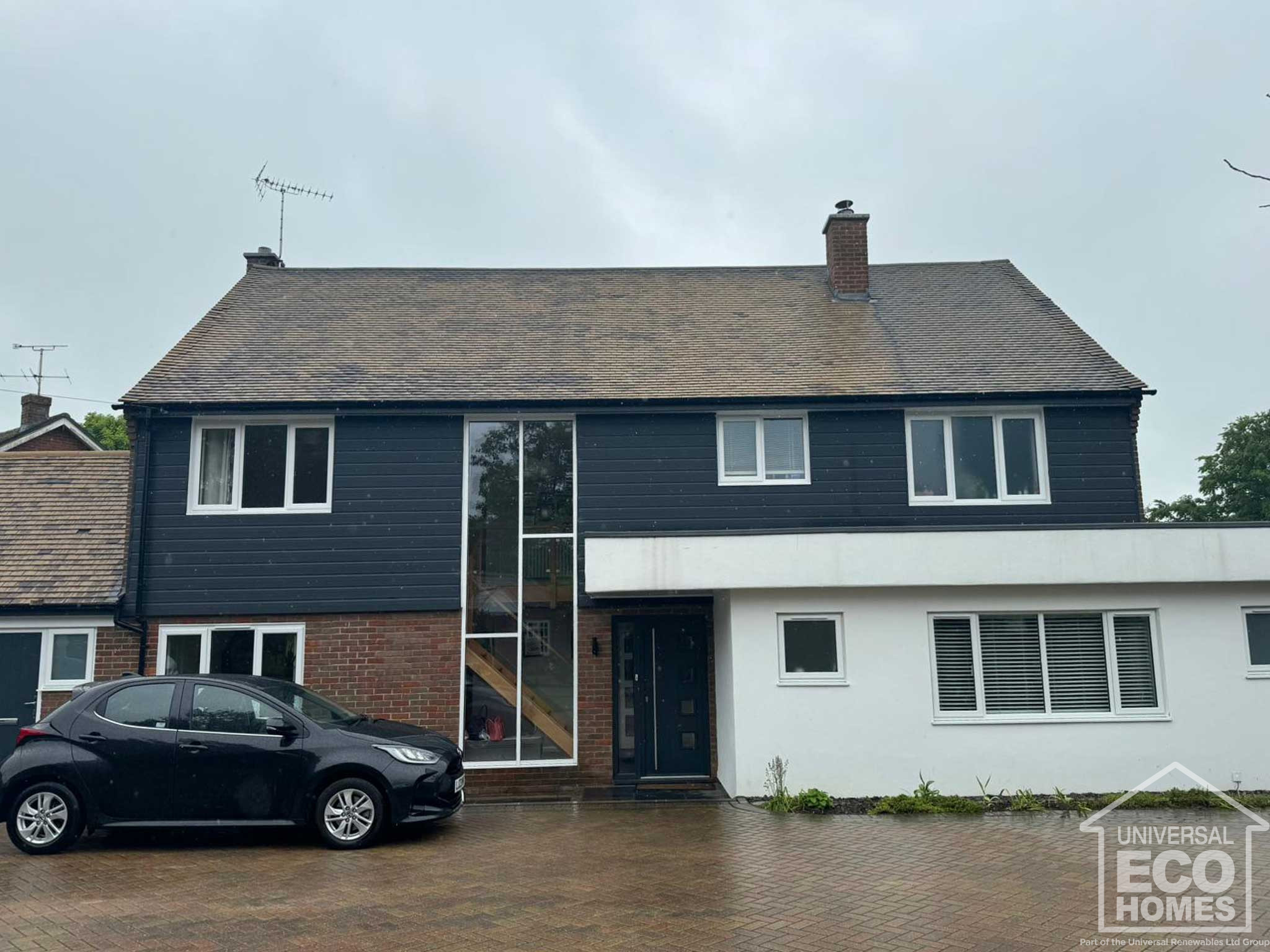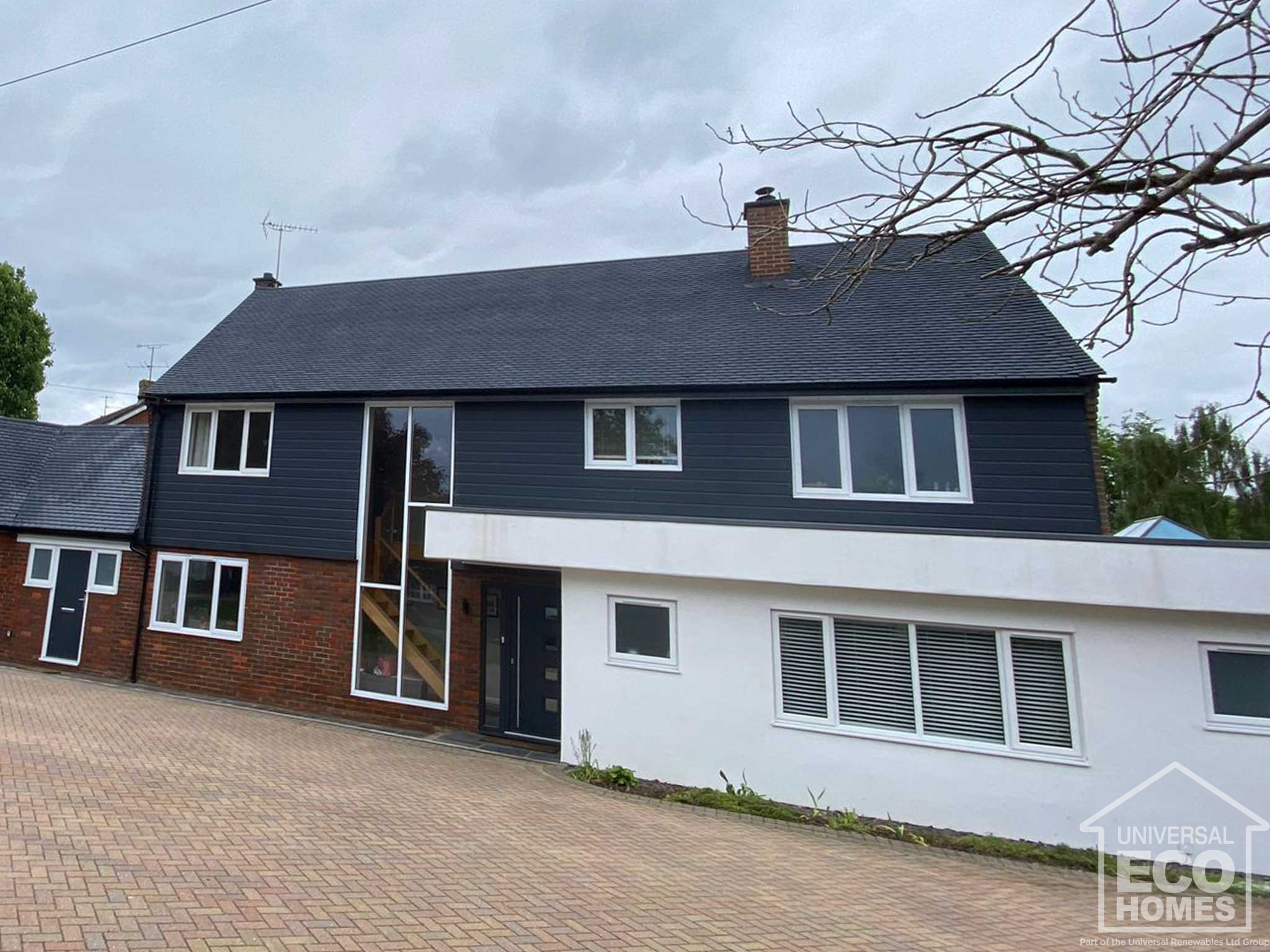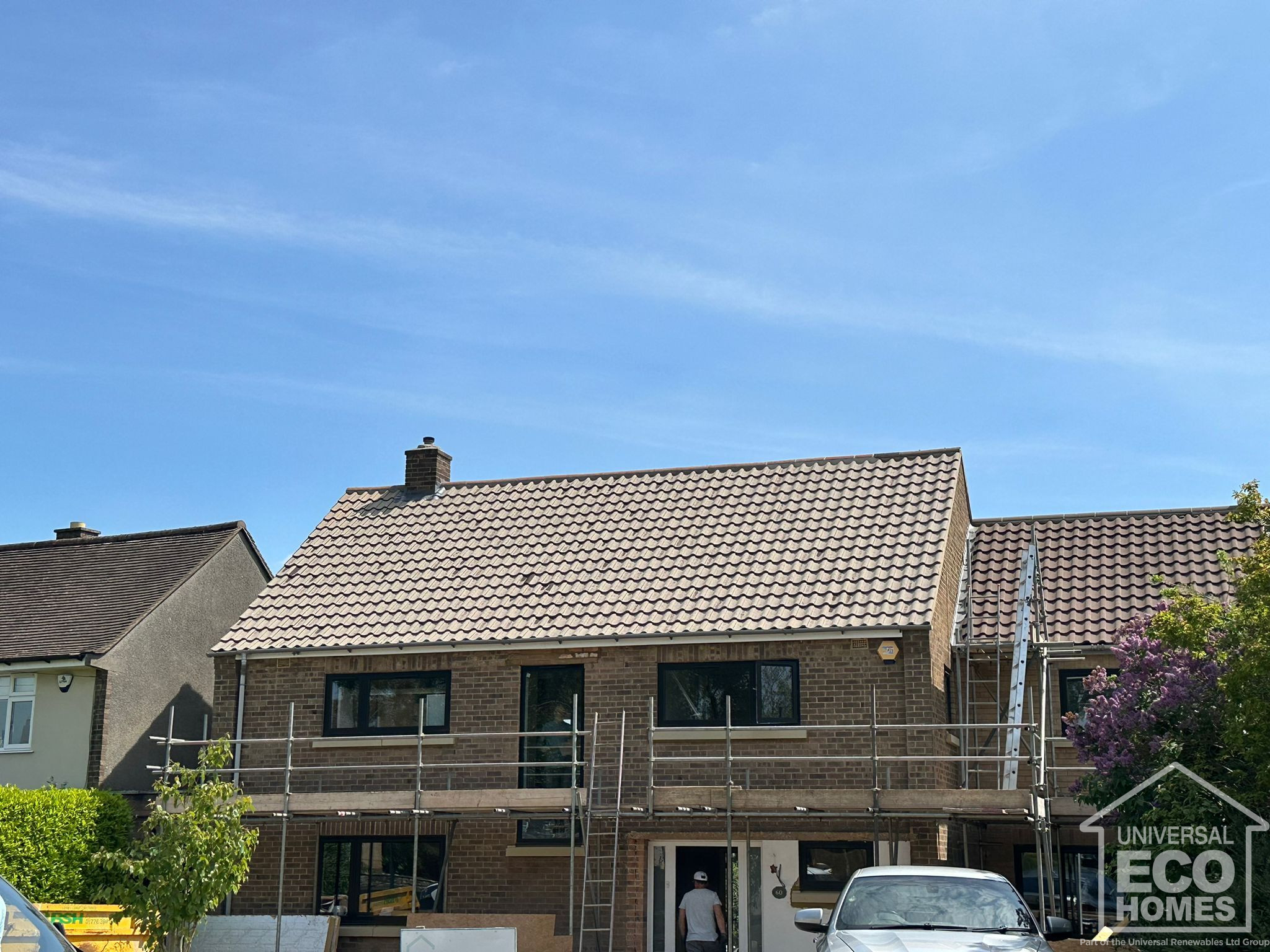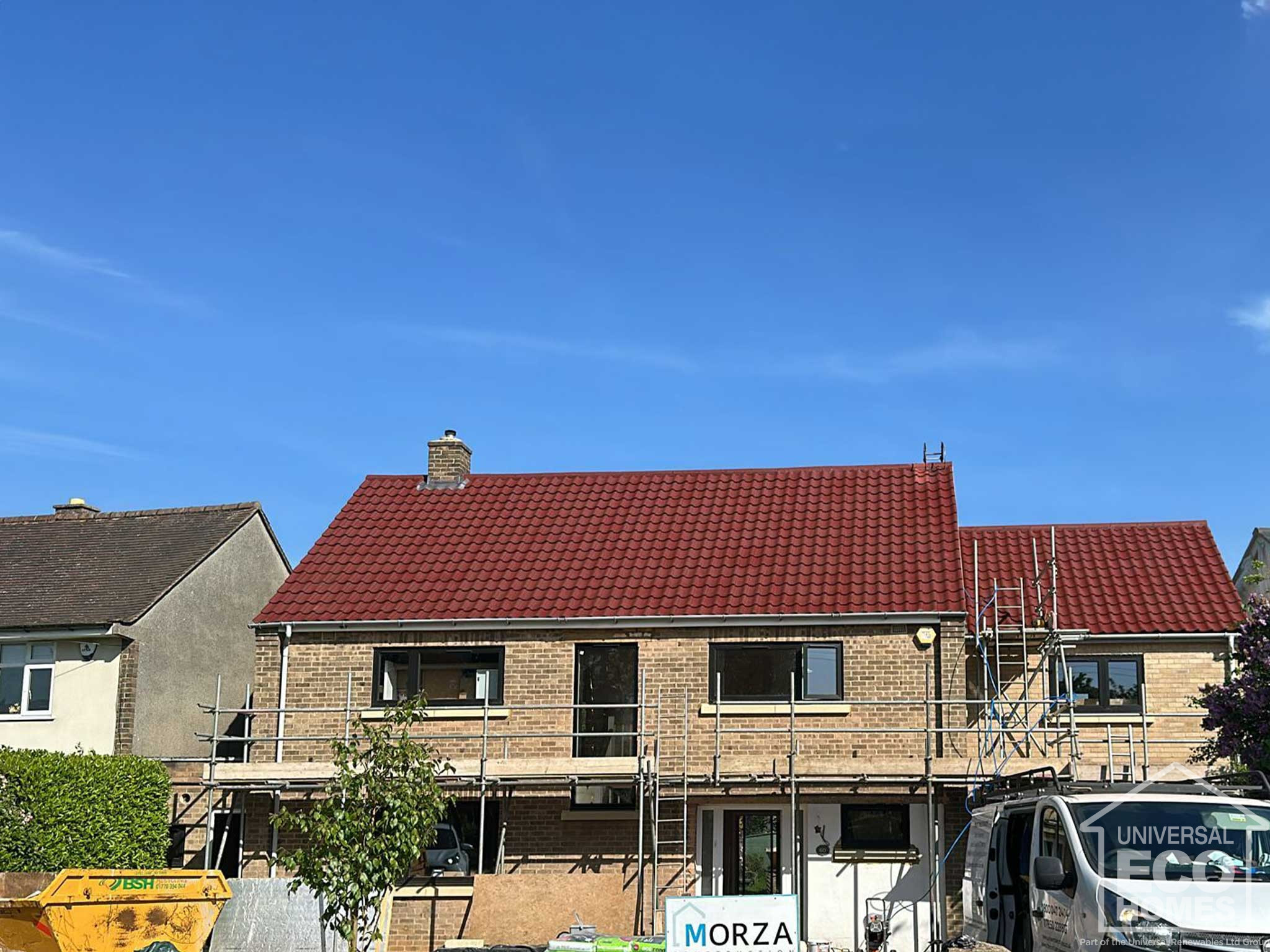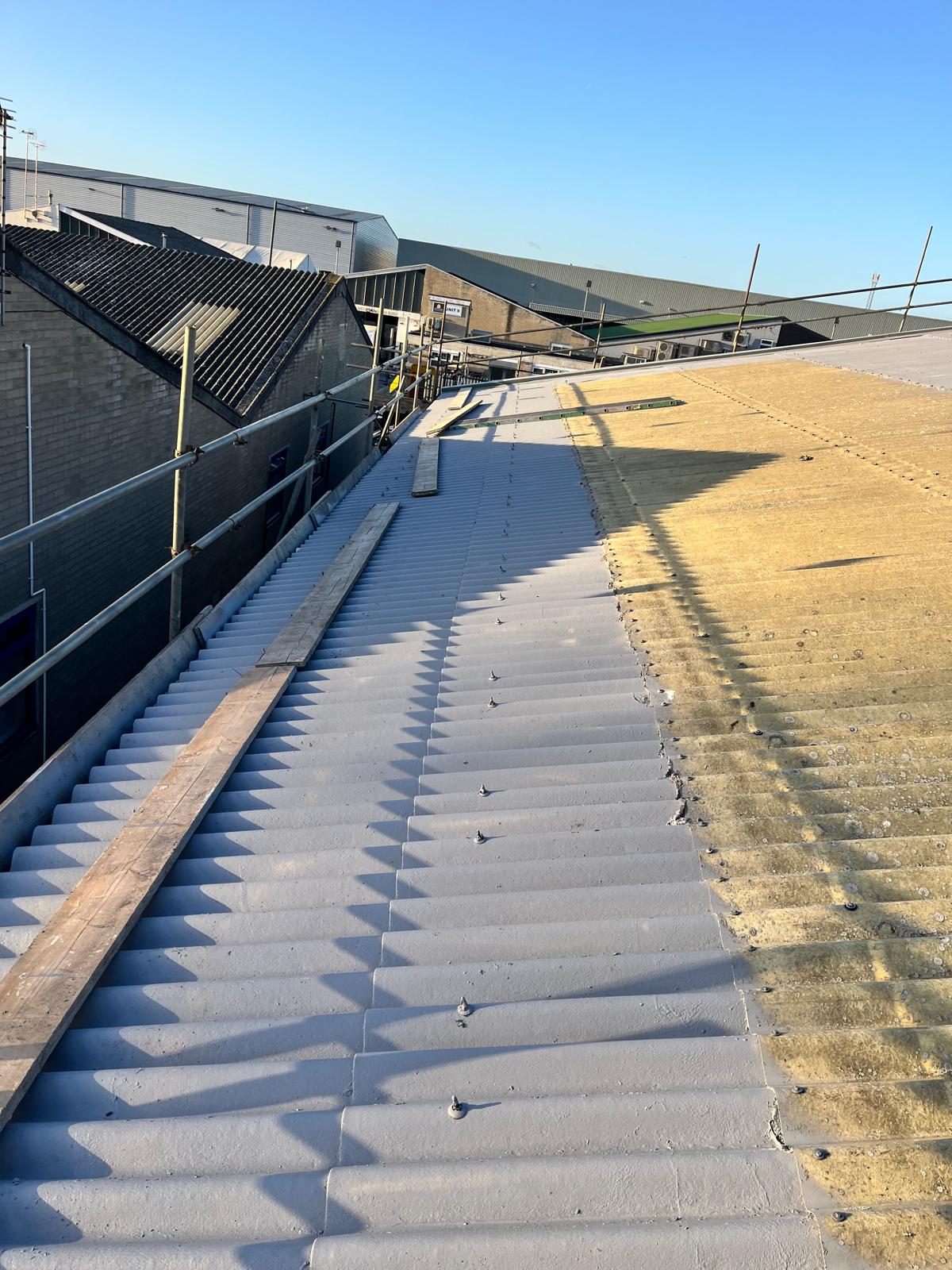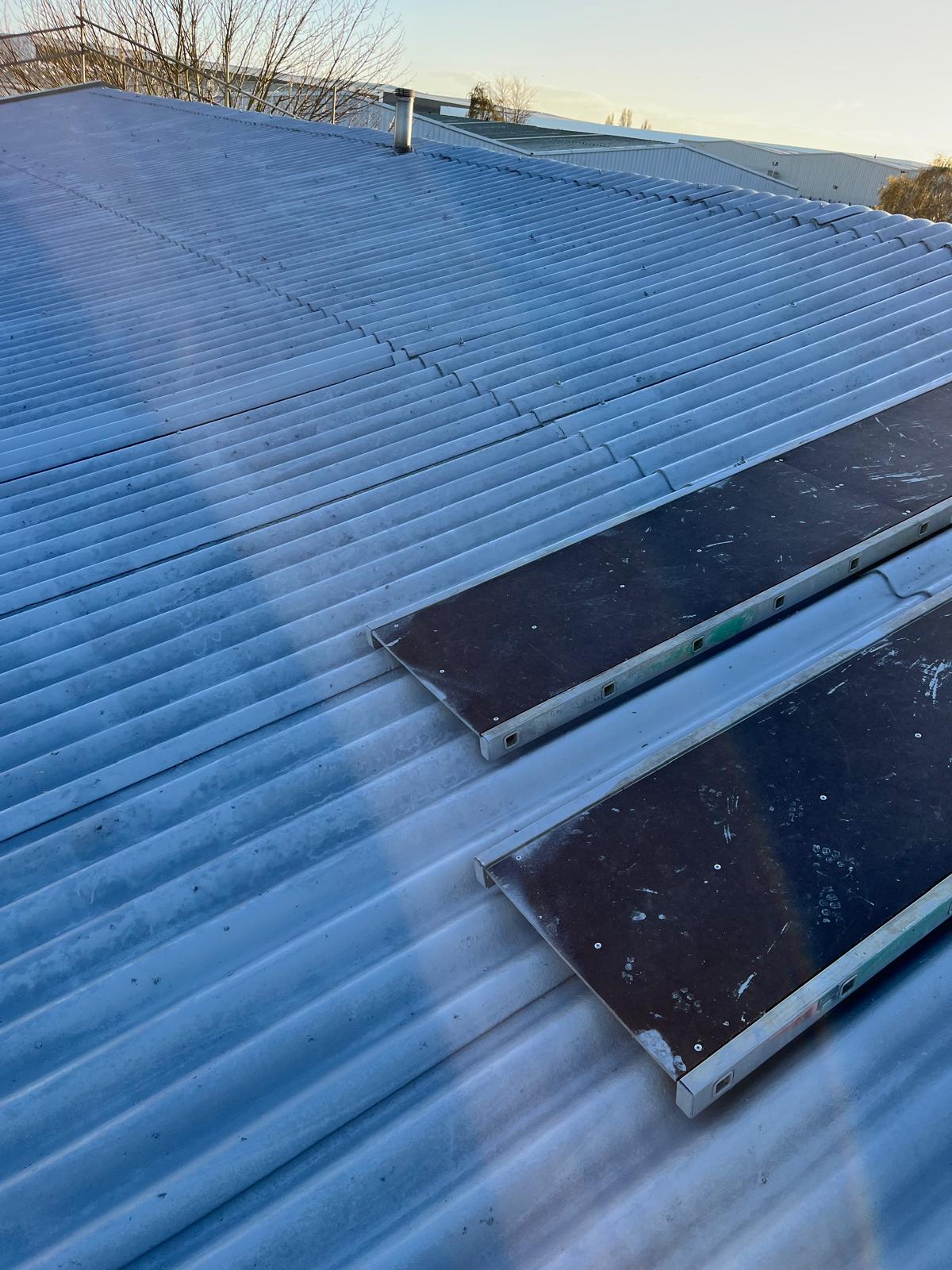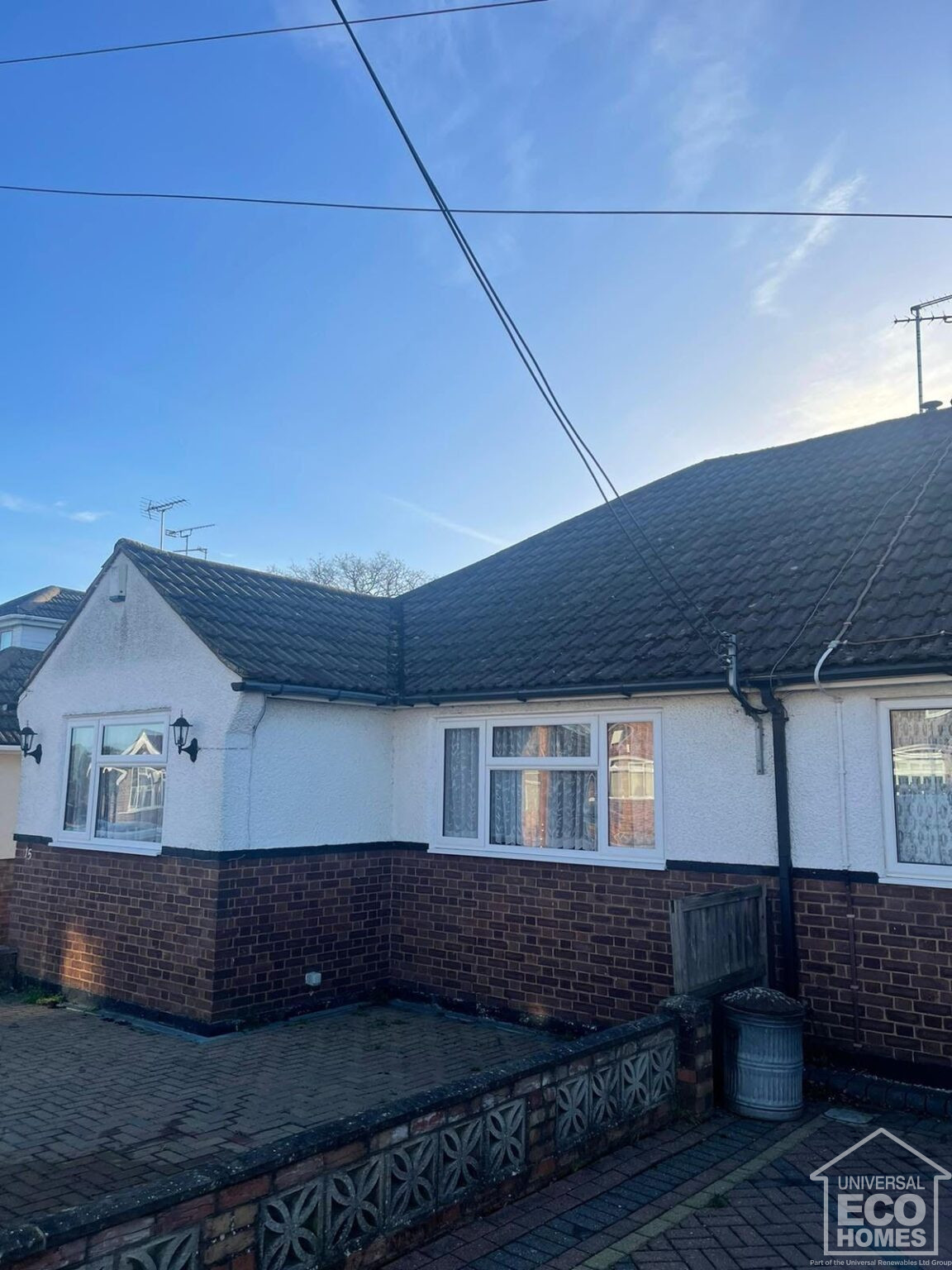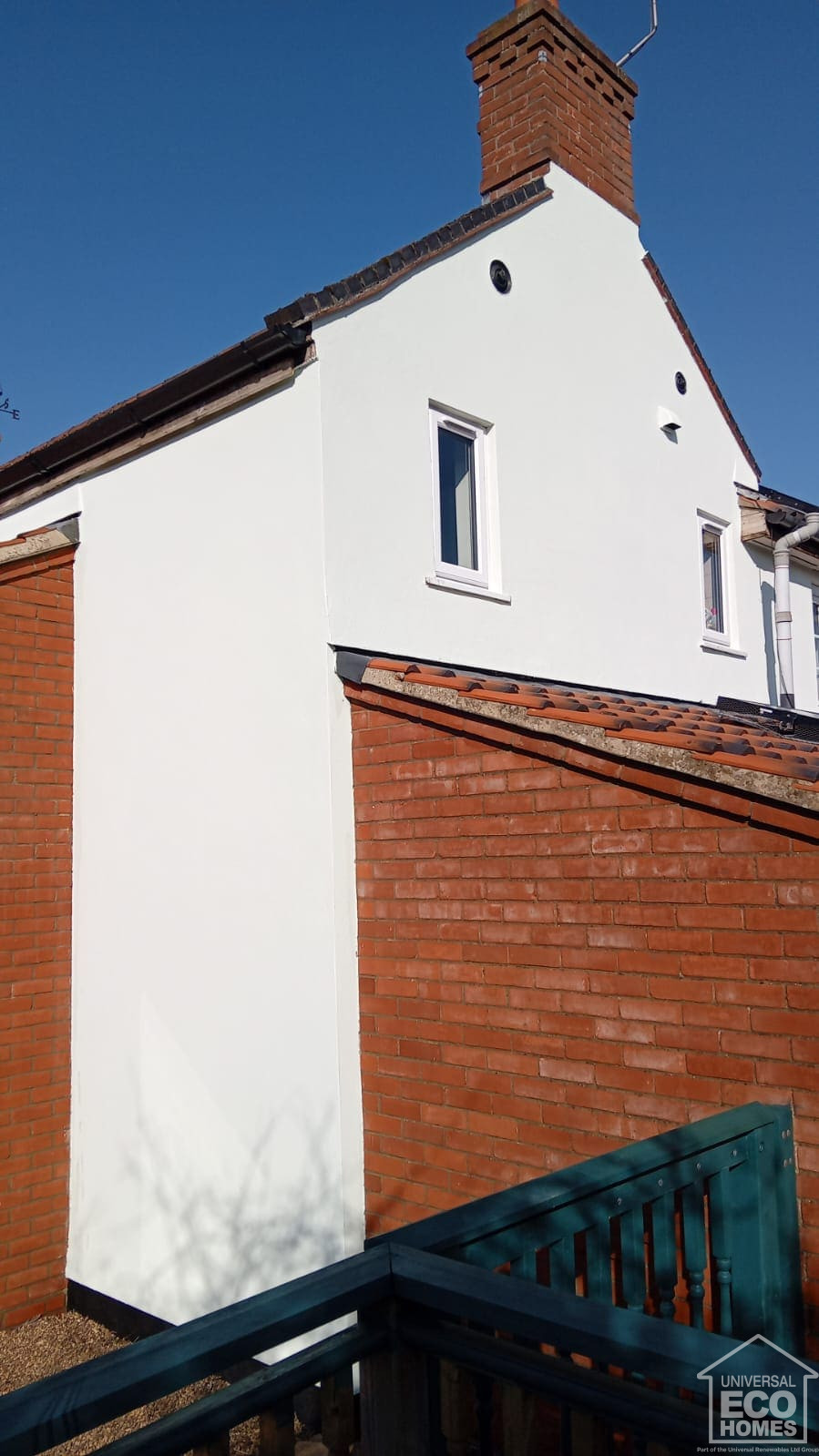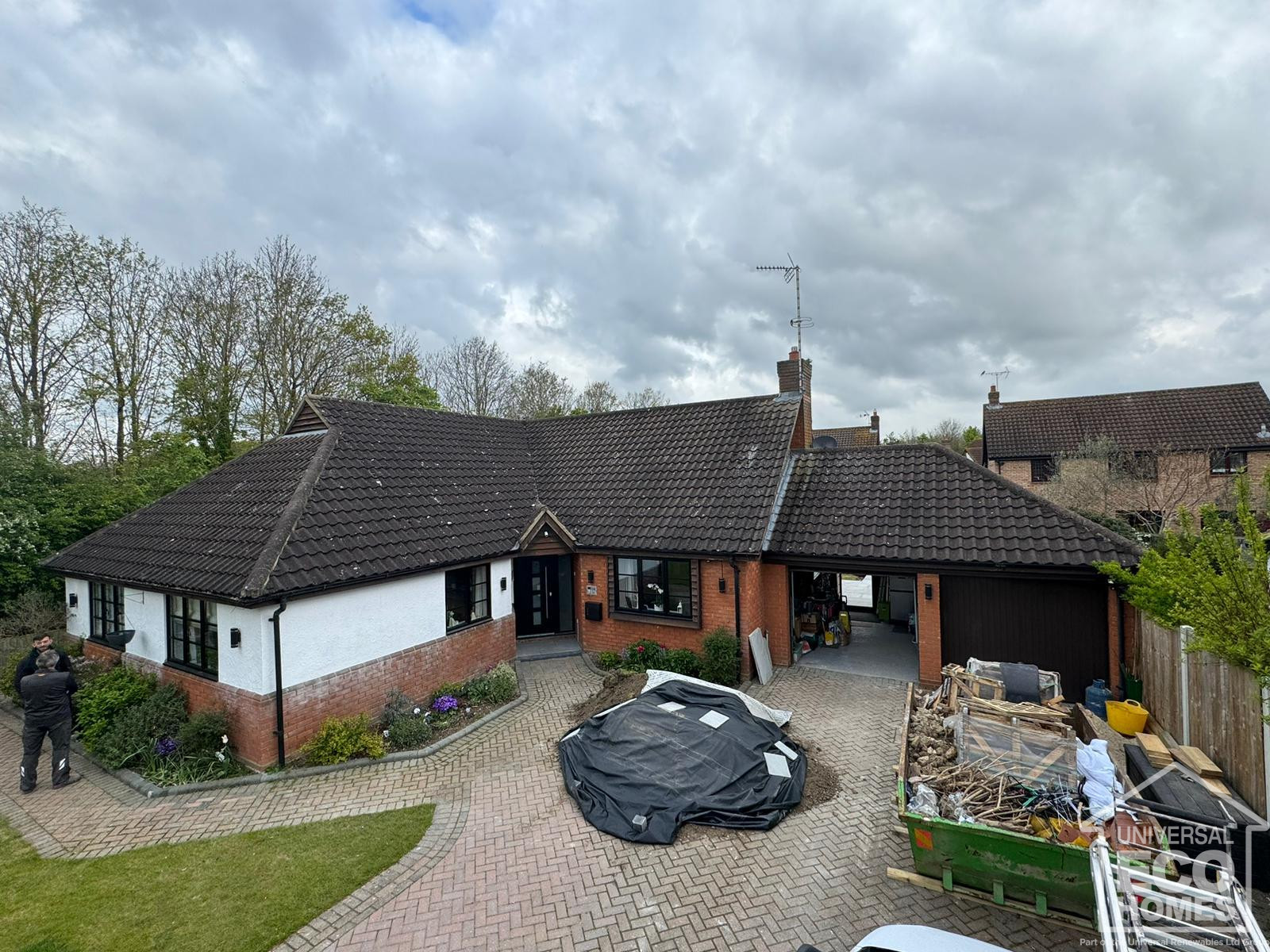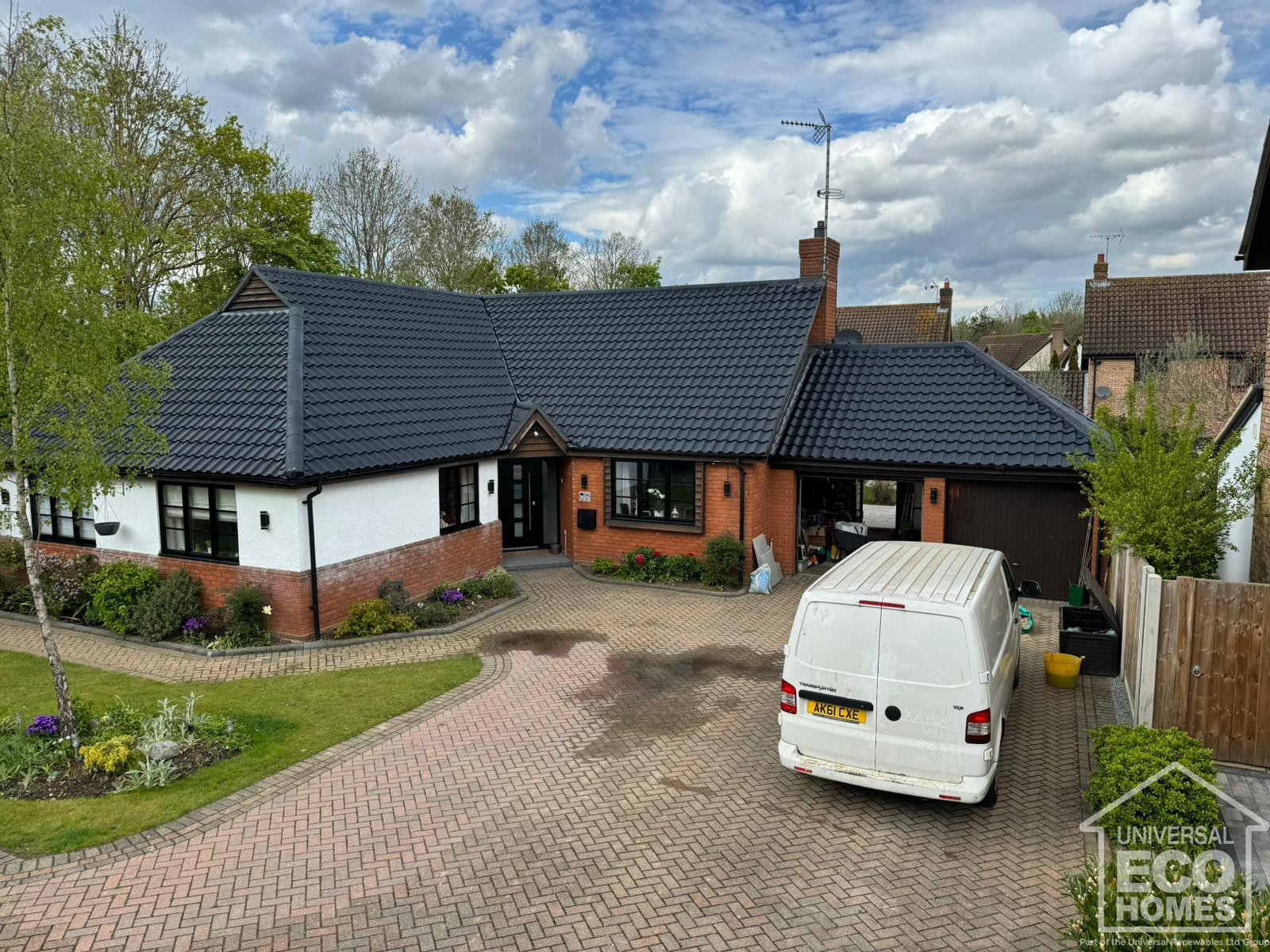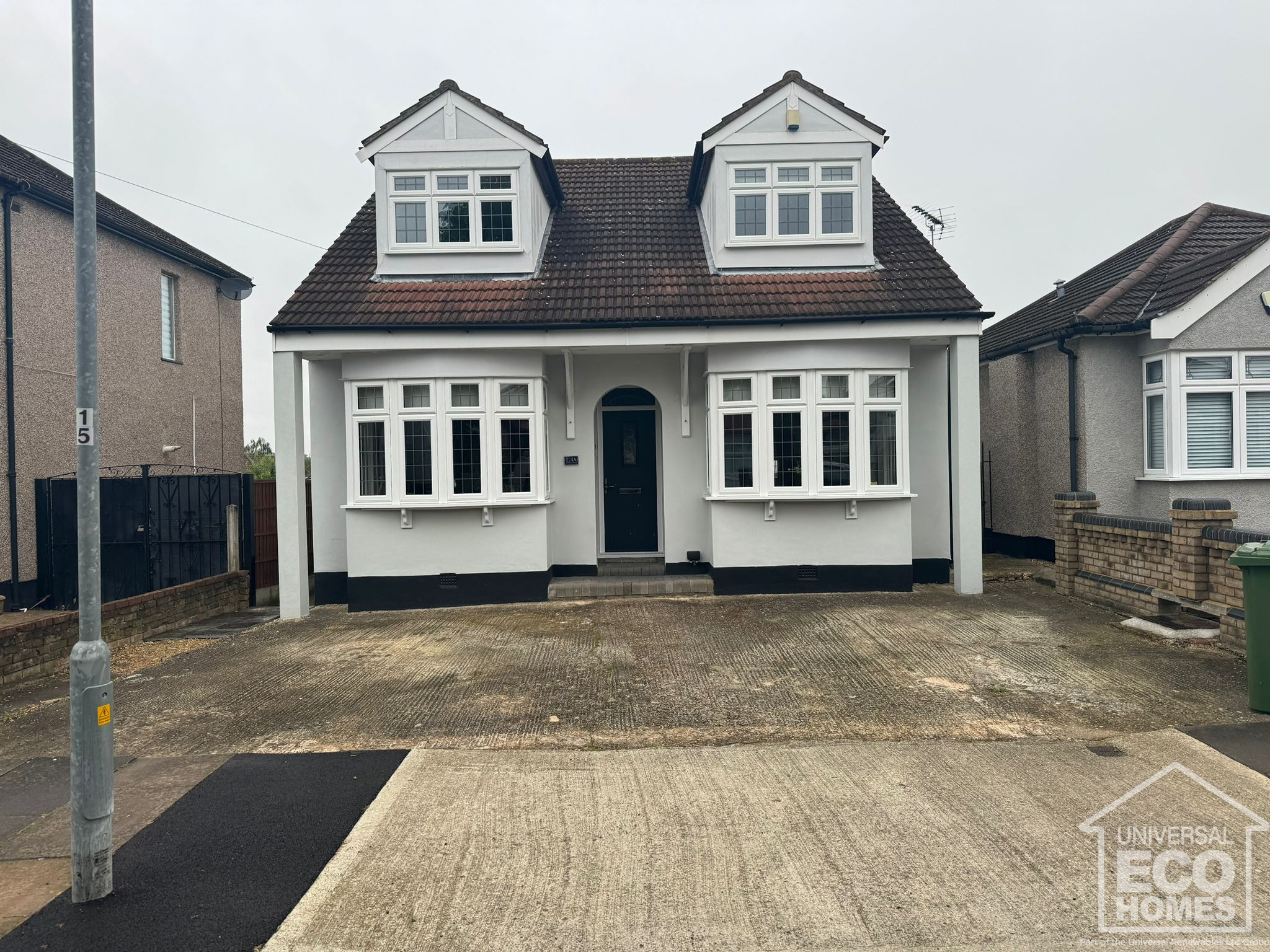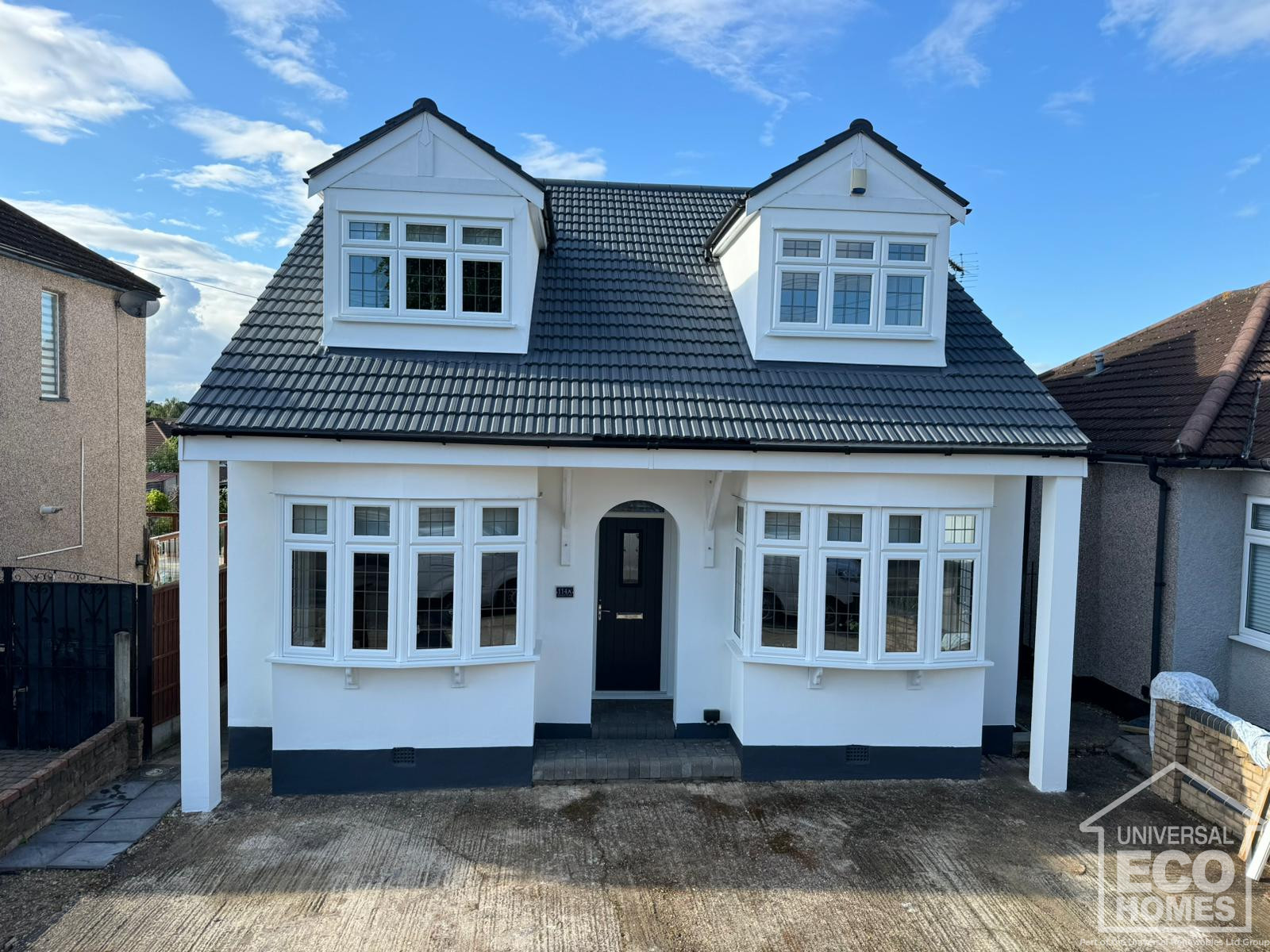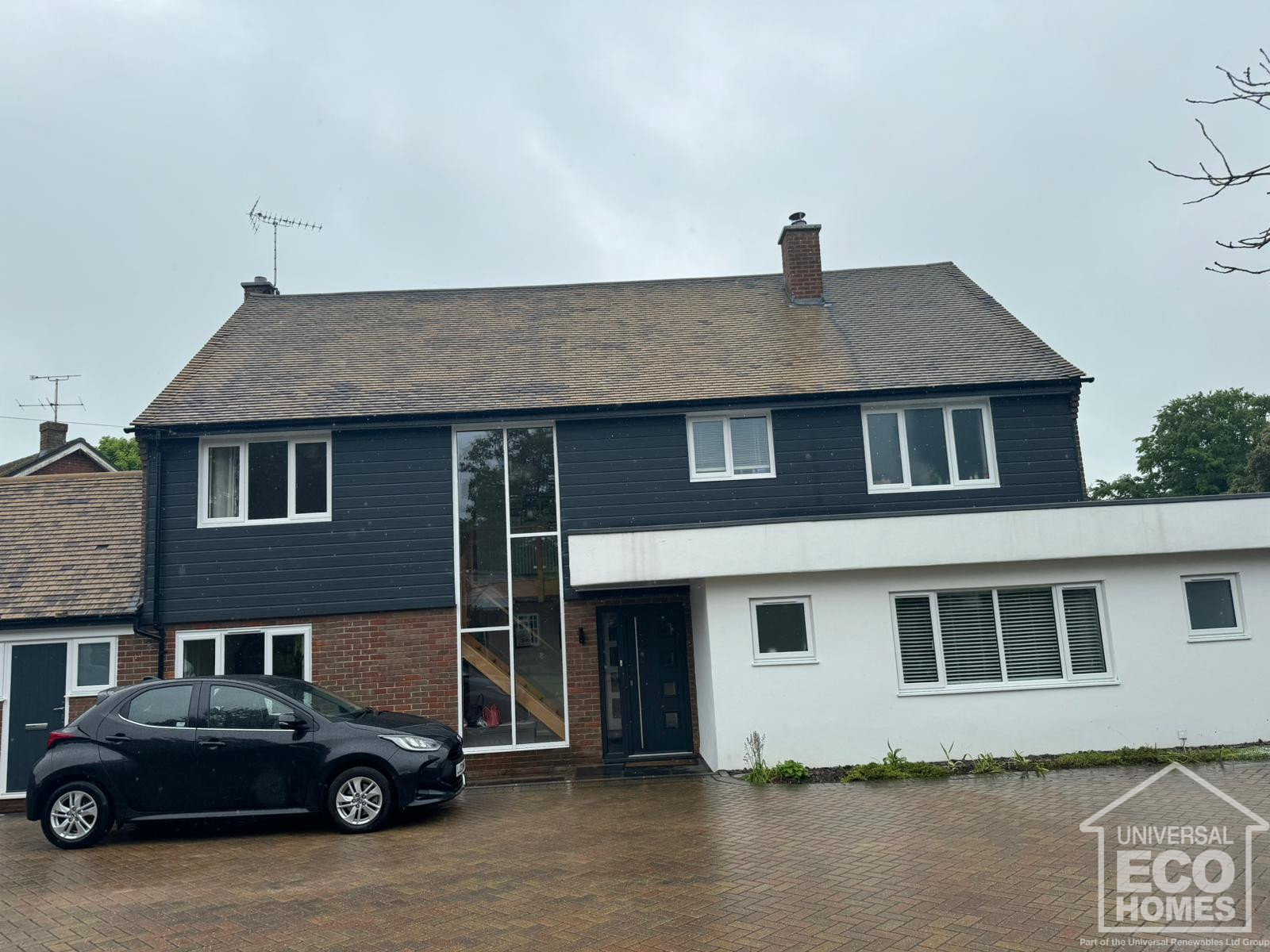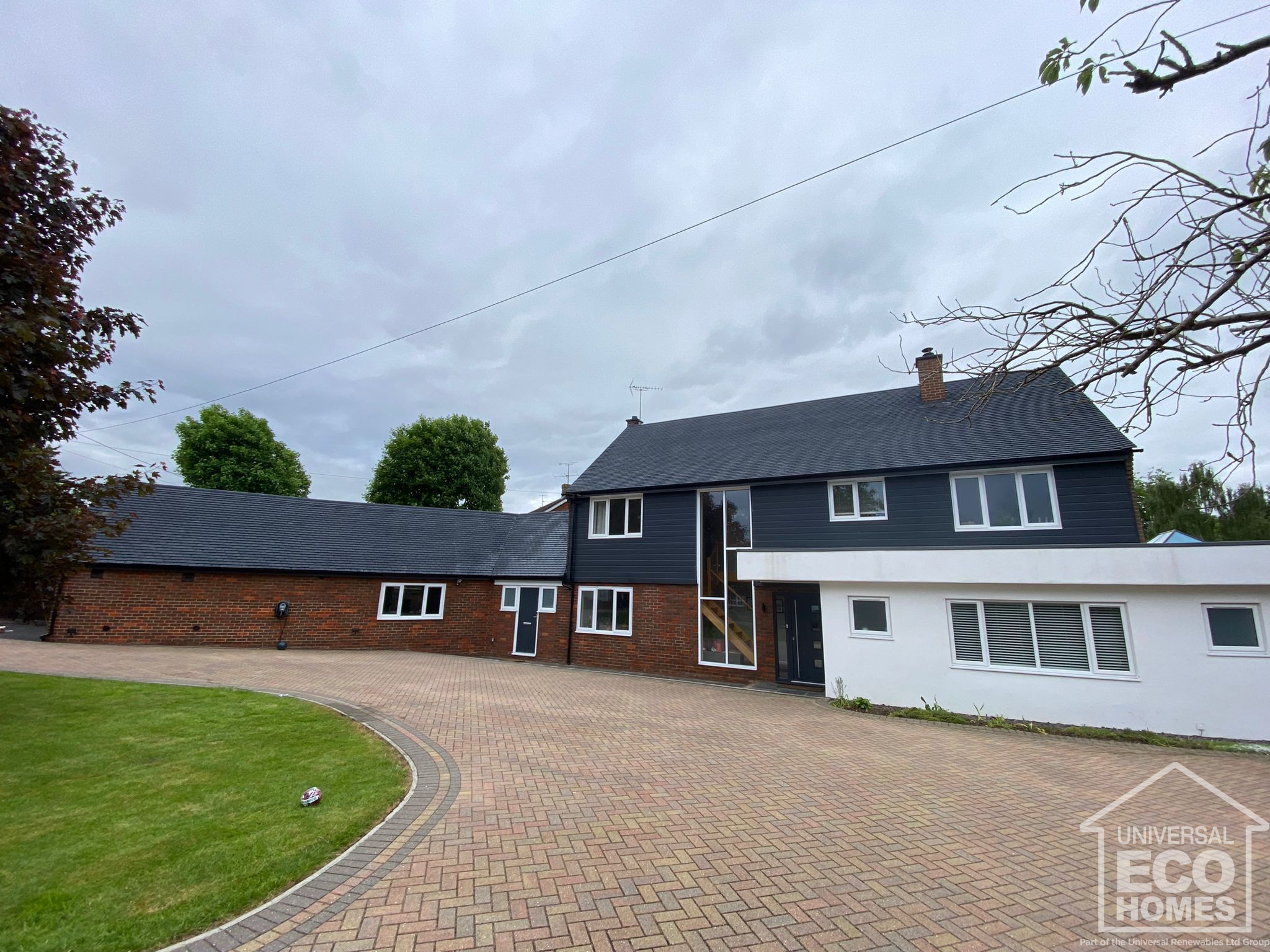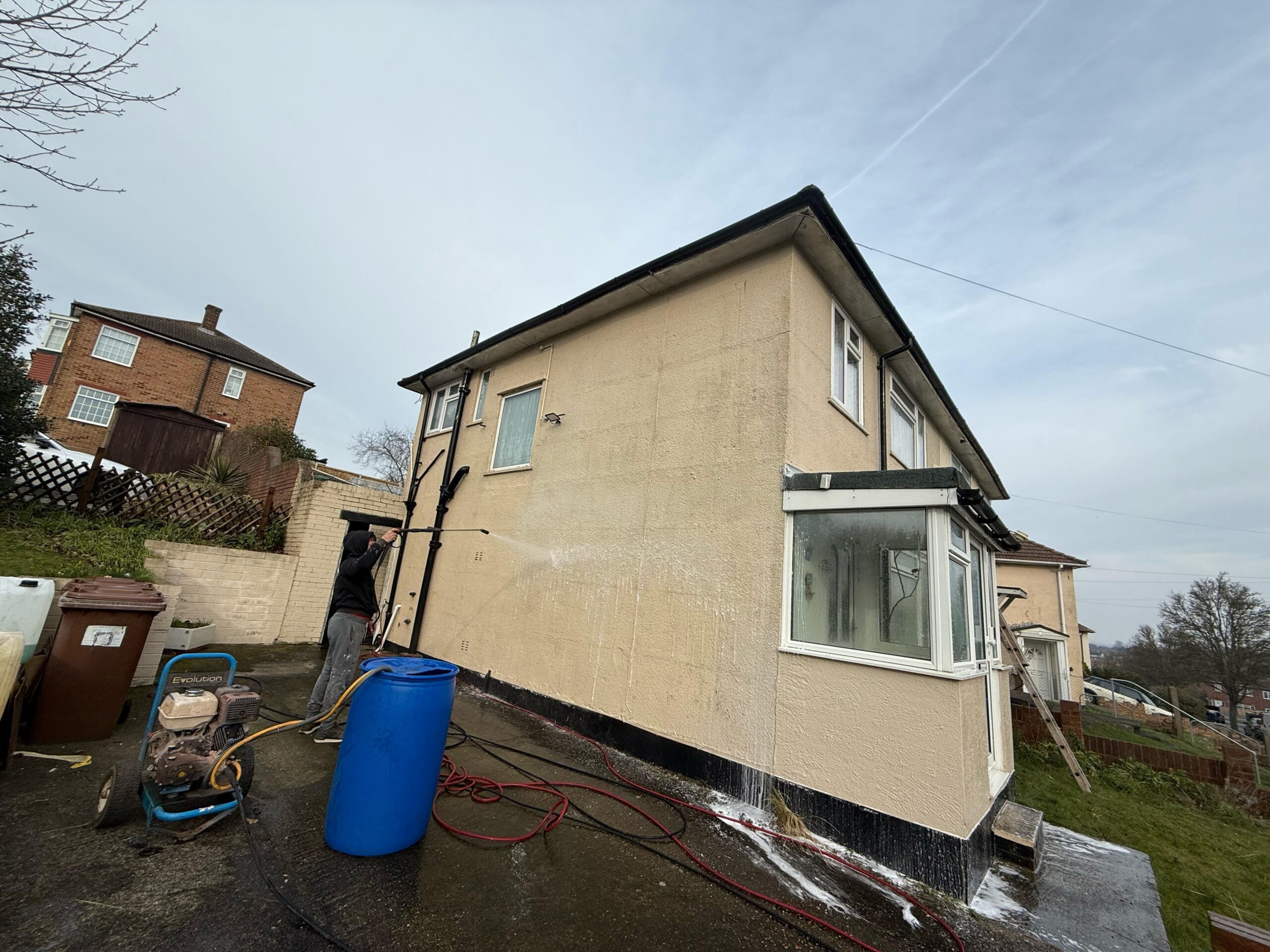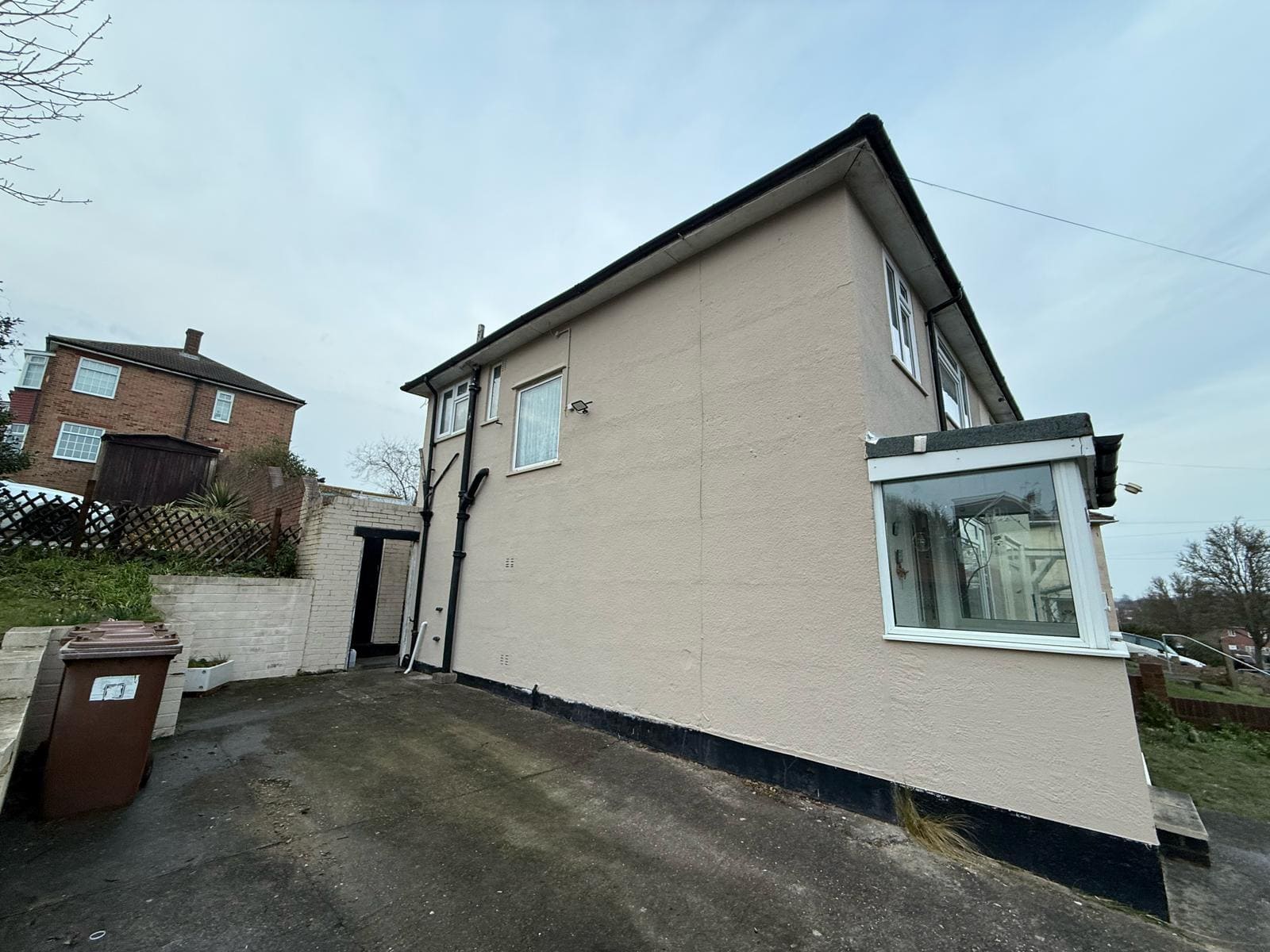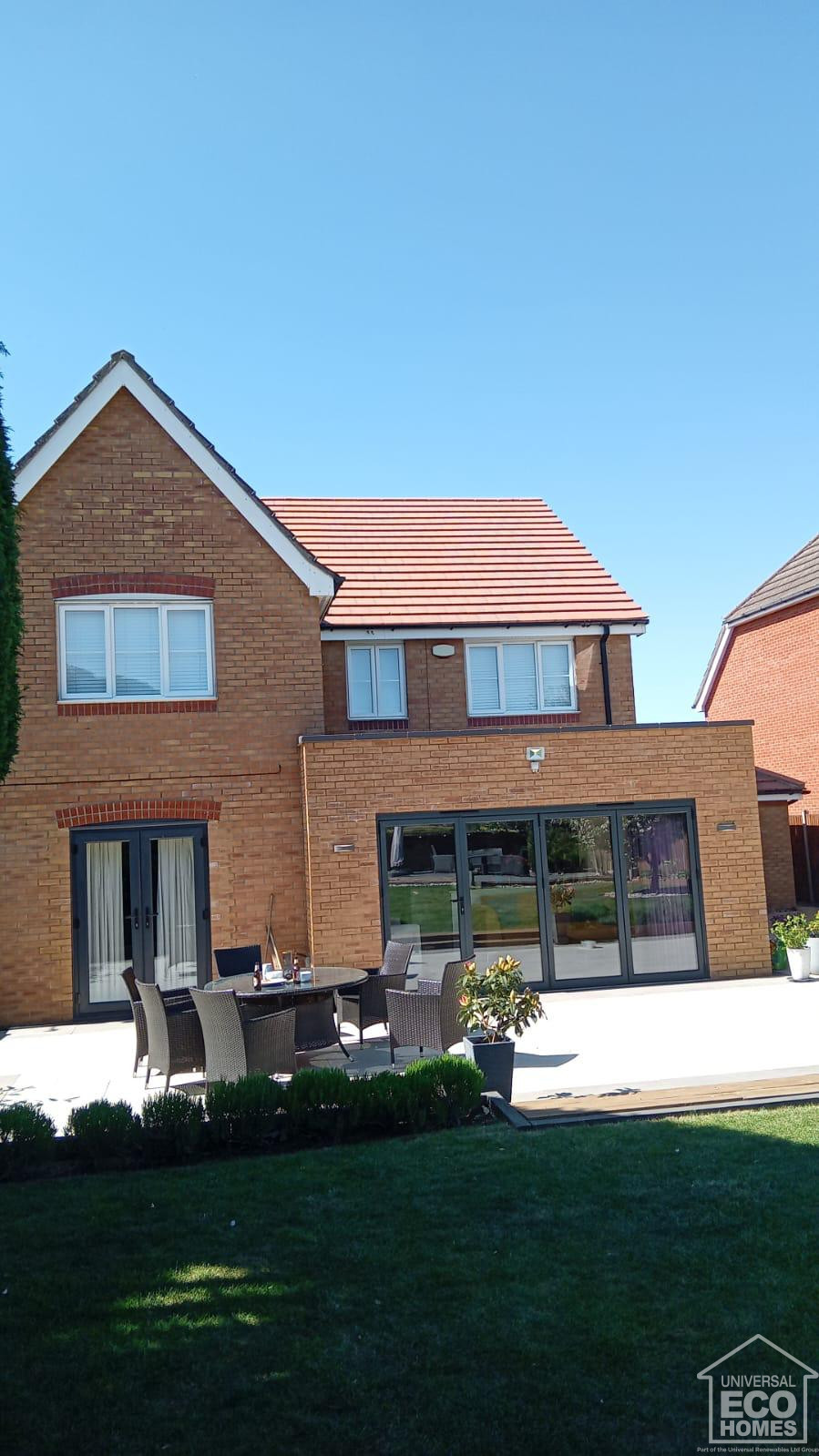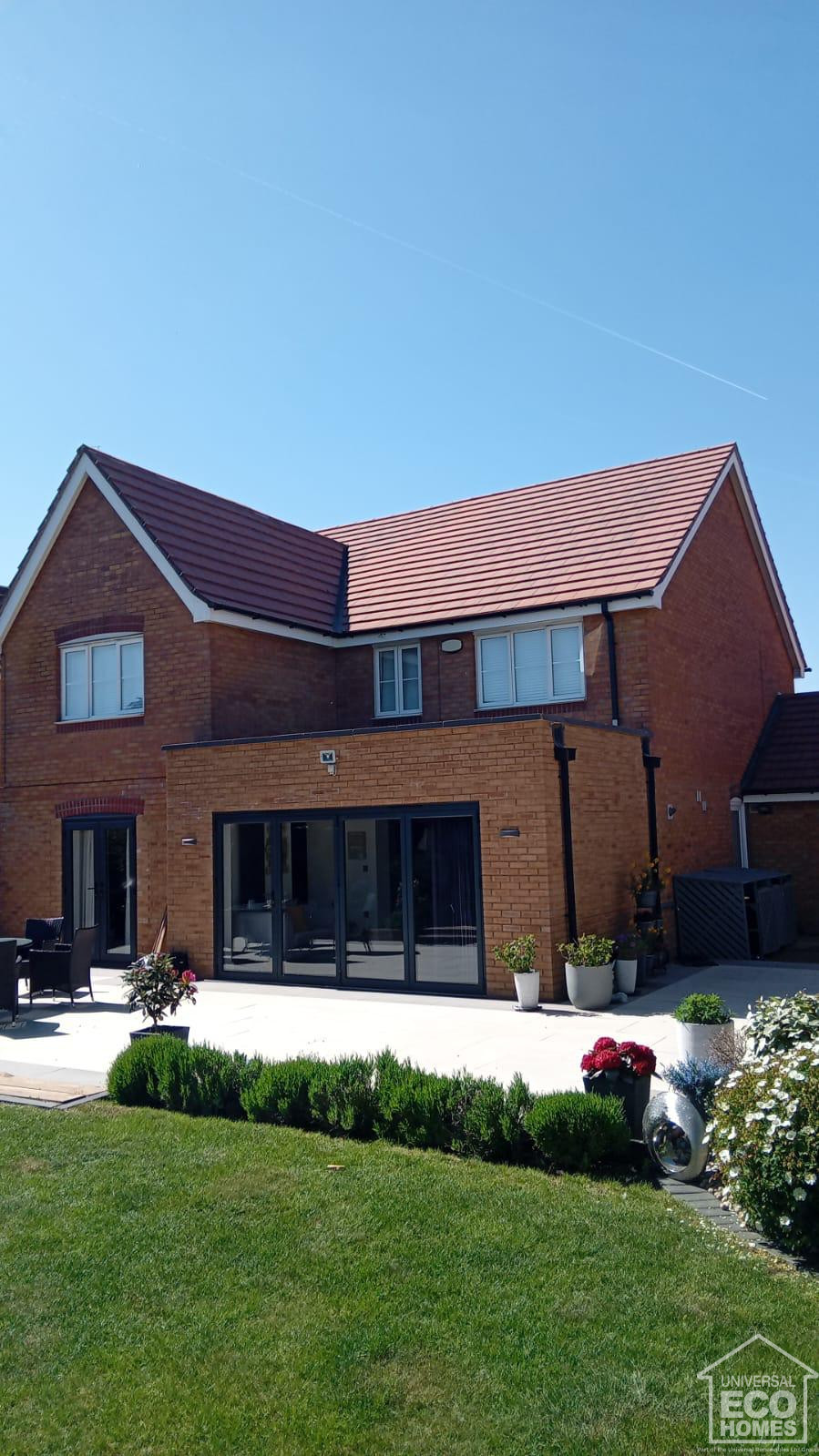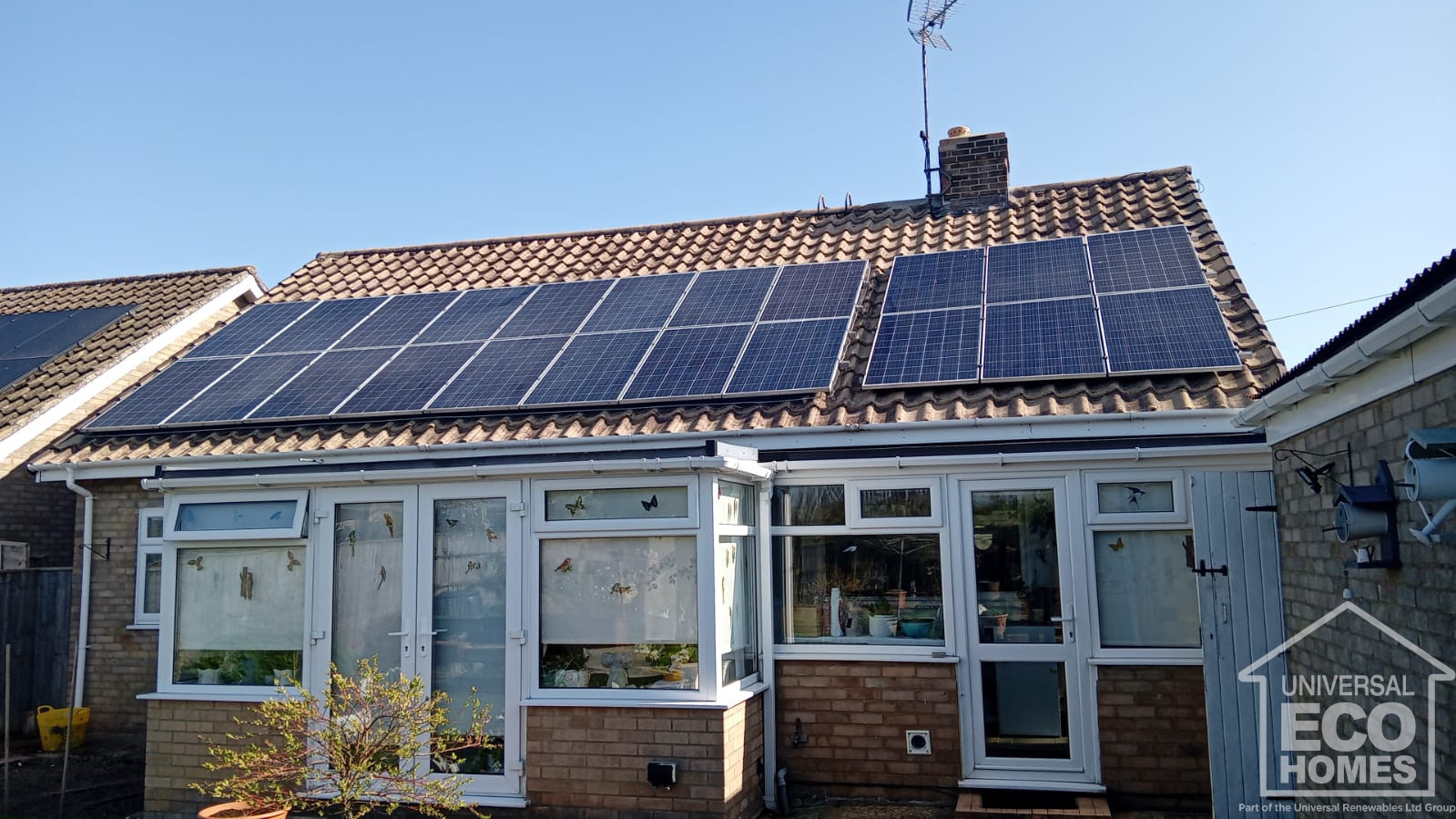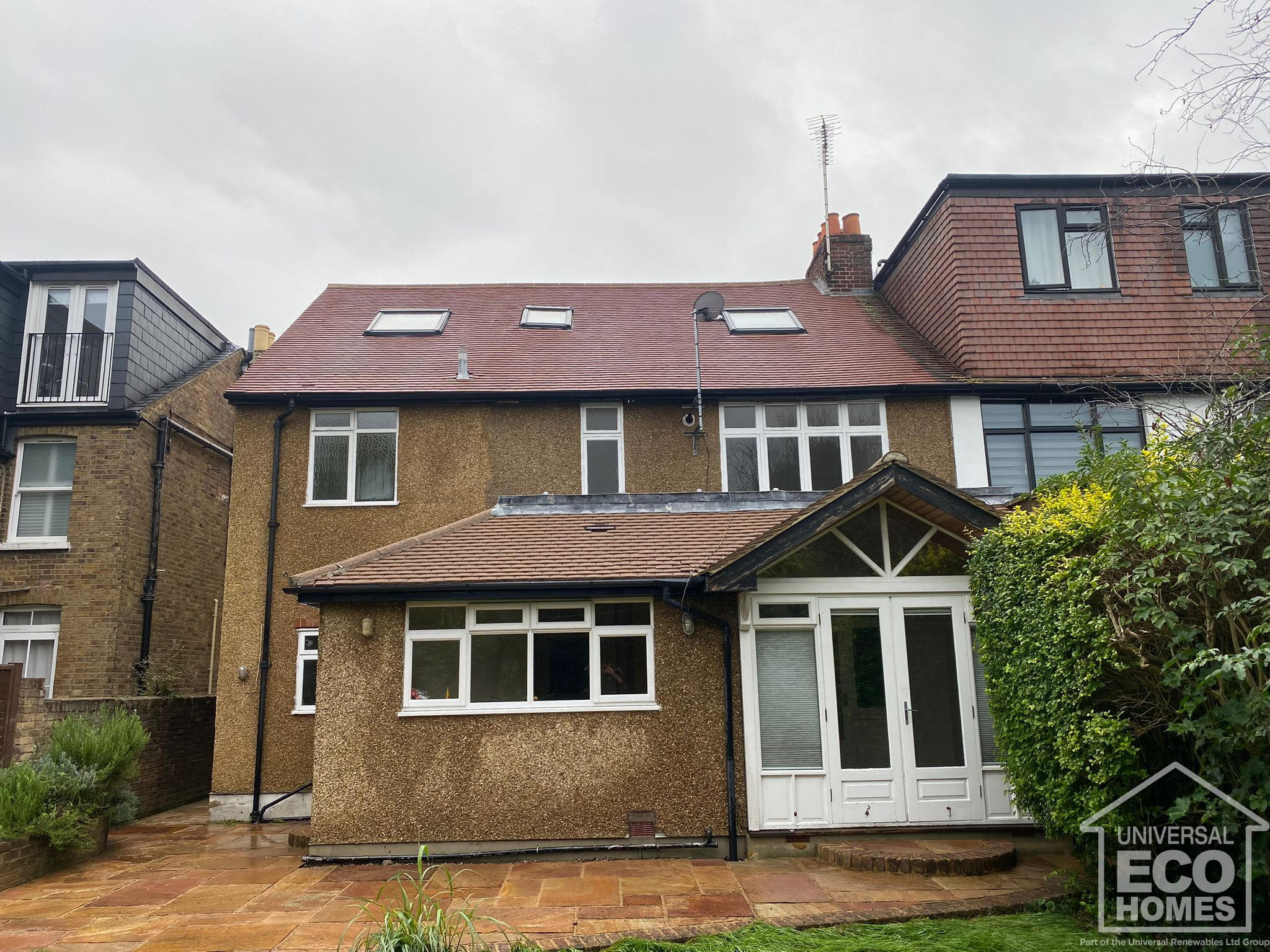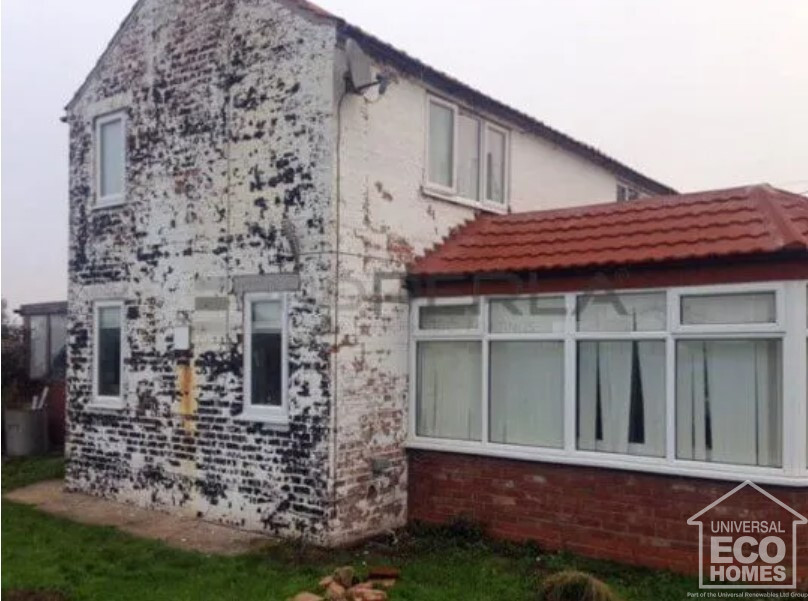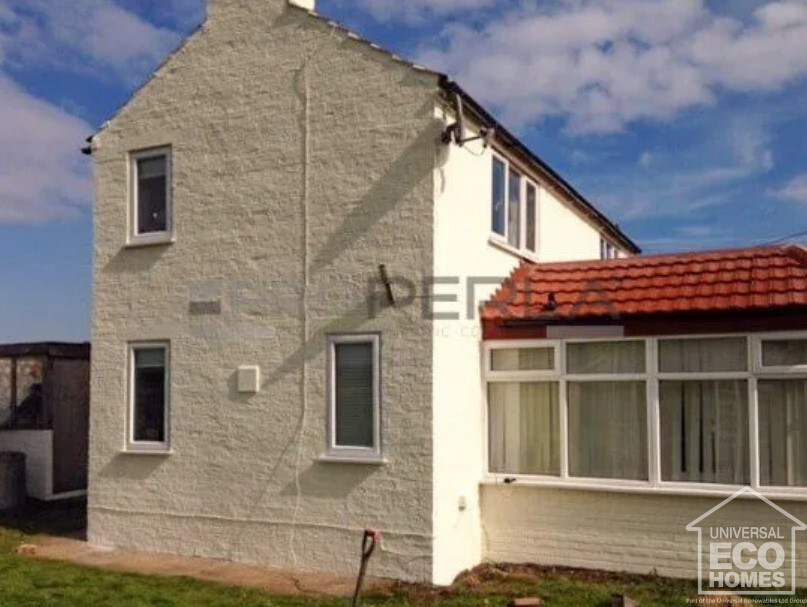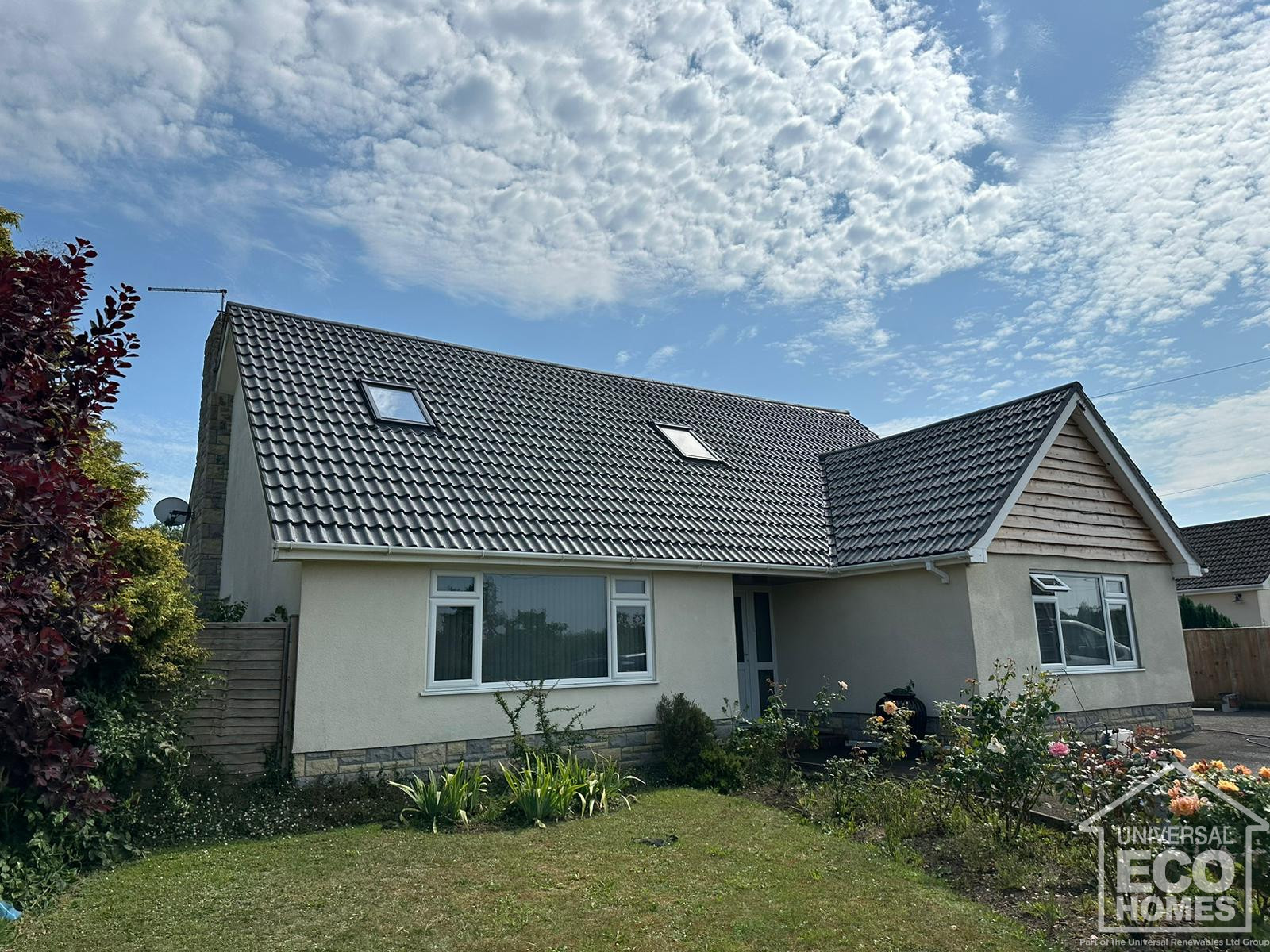



For decades, exterior wall rendering has been the go-to solution for homeowners looking to refresh and protect their property. Walk through any part of Colchester or the wider Essex area and you’ll see countless homes finished in smooth or textured render, often painted and repainted over the years as weather and time take their toll.
But the industry has moved on.
Today, modern coating systems such as ProPERLA are changing how we think about exterior protection. Rather than simply covering a wall, they actively improve its performance. For homeowners working with Universal Eco Homes, the question is no longer “should I render?” but rather “why would I, when there’s a better option?”
To understand that shift, it’s worth looking at what rendering actually does—and where it falls short.
Rendering is, at its core, a surface-level solution. A mixture—typically cement, sand, lime or a modern polymer variant—is applied in layers to create a uniform outer skin. It improves the look of a property and offers a degree of weather resistance, particularly for older brickwork that has seen better days.
On the surface, it seems like a complete fix. In reality, it often introduces a new set of problems.
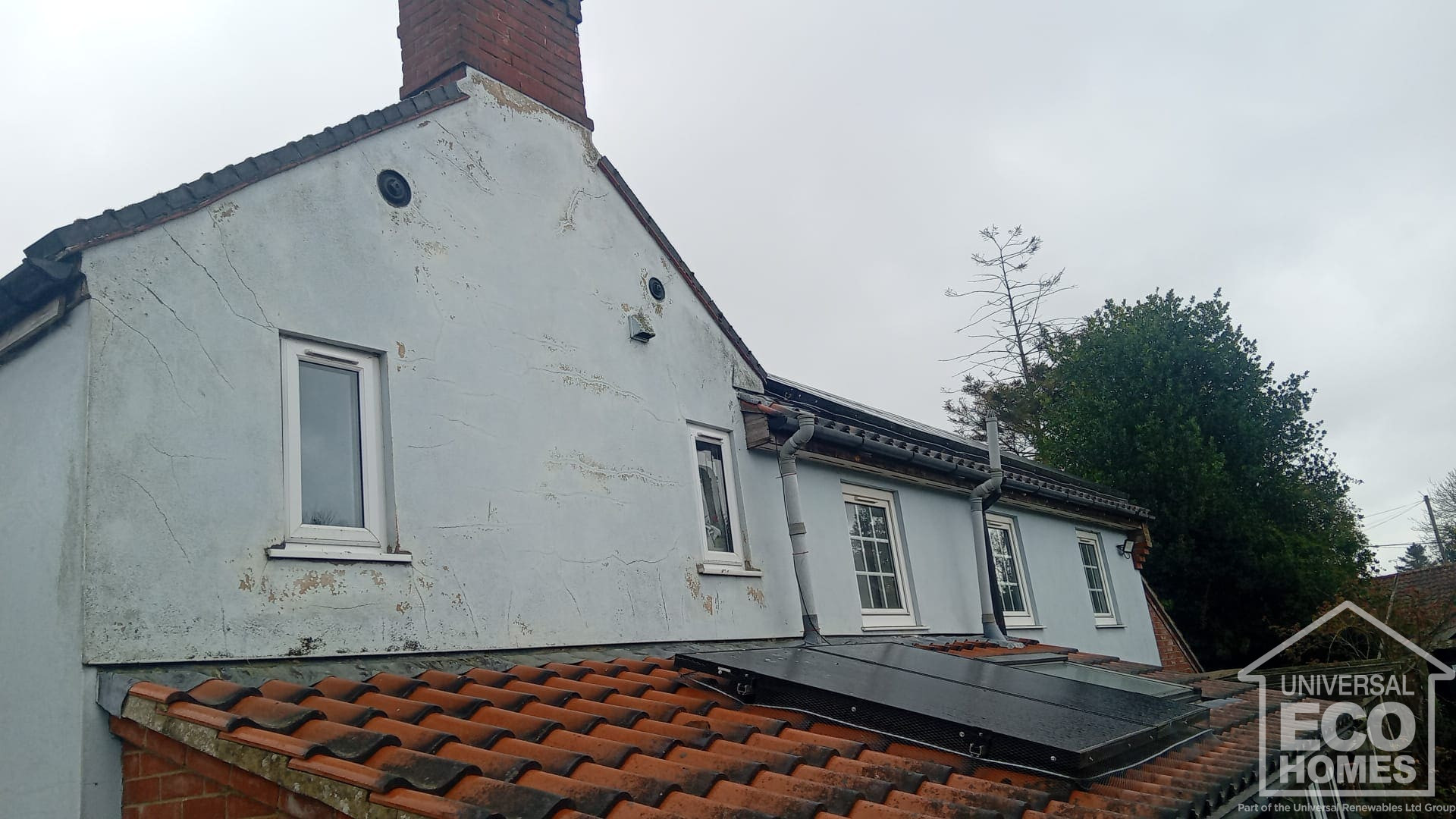
The first issue is rigidity. Cement-based render is hard and unforgiving, which means it doesn’t respond well to natural movement in a building. Over time, even slight structural shifts or temperature changes can lead to hairline cracks. Once cracks appear, water begins to find its way in, and the protective layer starts to work against the wall rather than for it.
There’s also the question of maintenance. Render rarely stays looking “new” for long. Discolouration, algae growth and weather staining are common, especially in the damp British climate. Most rendered homes require repainting every few years just to maintain appearance, and repairs tend to be visible and patchy.
Then there’s the disruption. Rendering is not a light-touch job. It involves multiple coats, drying times, and often full scaffolding setups. For homeowners, it’s a project that can stretch over weeks, bringing noise, mess and inconvenience.
All of this means that while rendering may appear cost-effective upfront, it quietly accumulates cost over time.
ProPERLA represents a fundamentally different way of thinking.
Instead of adding a thick outer layer, it creates a microscopic, breathable barrier across the surface of the wall. This barrier is hydrophobic, meaning it actively repels water while still allowing the wall to breathe. The effect is immediate and visible—rain simply beads and rolls off rather than soaking in.
This distinction matters more than most people realise.
Moisture is one of the biggest enemies of a building. When walls absorb water, their thermal performance drops significantly, making it harder to retain heat. Over time, that dampness contributes to mould growth, surface staining, and even internal issues. Traditional render can sometimes trap this moisture, particularly if cracks develop or if the system is poorly applied.
ProPERLA wall coating products avoids that entirely. It keeps water out but allows trapped moisture to escape, maintaining the natural balance of the wall.
There’s also a visual benefit. Thanks to what’s often referred to as the “lotus effect,” dirt struggles to adhere to the surface. Rainwater helps wash contaminants away, meaning the property stays cleaner for longer without the need for repainting or regular upkeep.
One of the most common assumptions is that rendering is the cheaper option. On paper, that can sometimes appear true. But it’s a short-term view.
Rendering is not a one-time expense. Between repainting, repairs, and eventual deterioration, the real cost builds over years. What starts as a straightforward installation often becomes an ongoing cycle of maintenance.
ProPERLA shifts that equation. Because it doesn’t crack, peel or require repainting, the long-term costs are dramatically reduced. Installation is also faster and less labour-intensive, which lowers initial disruption and associated expenses like extended scaffolding hire.
For many homeowners in Essex, the decision becomes clear when viewed over a 10–20 year period rather than a single invoice.
Where ProPERLA truly separates itself is in performance.
A dry wall is a warm wall. That’s not marketing—it’s physics. Even a small amount of moisture within masonry can significantly reduce its insulating ability. By preventing water absorption, ProPERLA helps walls retain heat more effectively, which in turn can reduce energy usage and improve comfort inside the home.
Rendering, by contrast, doesn’t actively improve thermal performance. In some cases, especially where moisture becomes trapped, it can even contribute to inefficiency.
There’s also durability to consider. ProPERLA wall coatings systems are designed to last decades, not just years. They don’t suffer from the same cracking issues, and they maintain their appearance without the need for constant intervention. For homeowners, that means peace of mind as much as financial savings.
Rendering isn’t obsolete. There are situations where it’s necessary, particularly where existing render has failed completely or where structural repairs are required. But those cases are more limited than many assume.
For the majority of properties, especially those with sound brickwork, ProPERLA offers a more intelligent solution. It enhances rather than covers, protects rather than traps, and performs rather than simply decorates.
This is why more homeowners across Colchester and Essex are moving away from traditional render and towards modern coating systems. They’re not just looking for a fresh look—they’re looking for longevity, efficiency, and value.
Choosing between rendering and ProPERLA isn’t just about aesthetics. It’s about how your home performs over time.
For customers working with Universal Eco Homes, the shift is already happening. Once people understand the difference—not just in appearance, but in performance and long-term cost—the decision tends to make itself.
And in a climate like ours, where rain, damp and temperature swings are a constant, choosing a system that works with your home rather than against it isn’t just smart.
It’s essential. Get you Free Quote Now
Contact Universal Eco Homes today for a free, no-obligation assessment and expert advice tailored to your property.
Don’t be misled by unrealistically low prices. Always check for the right certifications, full insurance cover, and genuine customer reviews — we have it all, giving you complete peace of mind from start to finish.
We Cover Nationwide, Ireland and now Spain.